
- All
- Product Name
- Product Keyword
- Product Model
- Product Summary
- Product Description
- Multi Field Search
Views: 0 Author: Site Editor Publish Time: 2024-04-09 Origin: Site
With the increasing popularity of functional textiles, a new type of textile has emerged - cooling technology textiles.
But what exactly are cooling technology textiles? How are fabrics treated to achieve a cooling effect? And what testing
methods are used to evaluate their effectiveness?
Introduction:
In today's fast-paced world, where comfort and functionality are paramount, the textile industry has been constantly
evolving to meet consumer demands. One such innovation is the development of cooling technology textiles, which
offer a refreshing and cool sensation to the wearer. This article will explore the concept of cooling technology textiles,
the techniques used to create them, and the testing methods employed to ensure their effectiveness.
Understanding Cooling Technology Textiles:
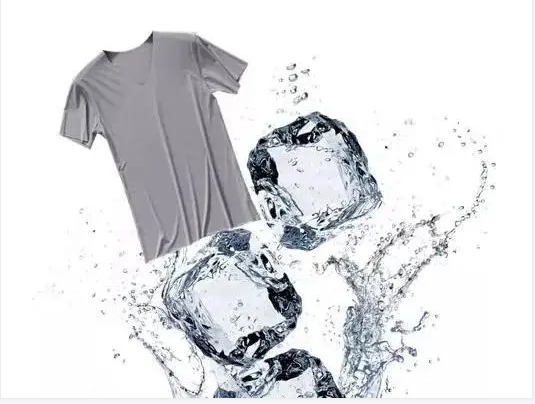
Cooling technology textiles are fabrics that have been engineered to provide a cooling effect when in contact with the
skin. These textiles are designed to wick away moisture, regulate body temperature, and provide a comfortable and
refreshing sensation, especially in hot and humid conditions. They are particularly popular in sportswear, outdoor apparel,
and bedding.
Fabric Treatment for Cooling Effect:
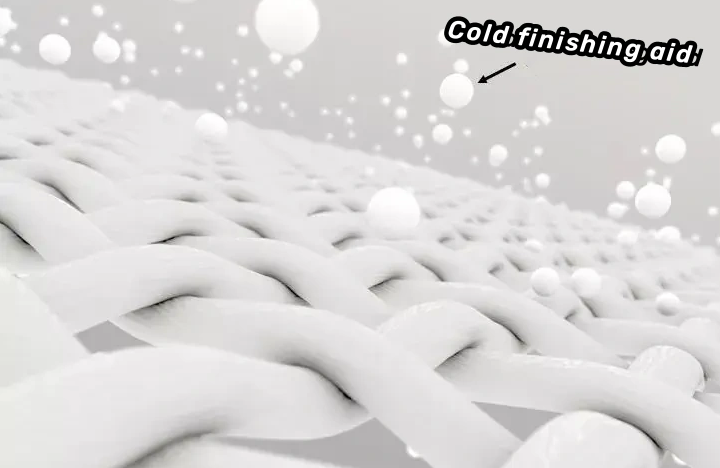
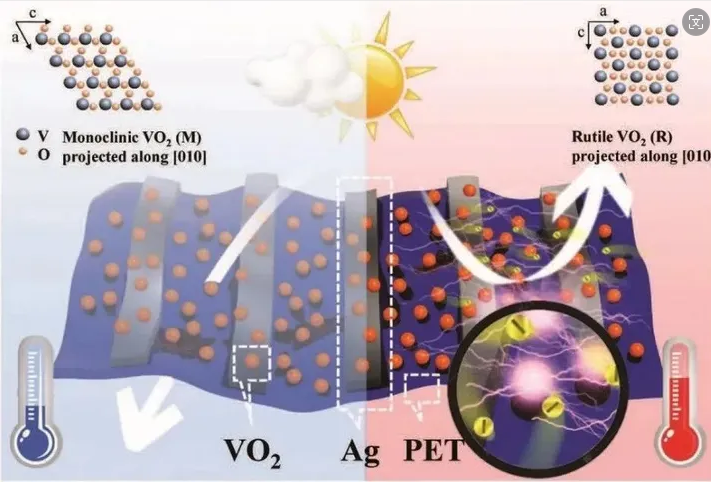
To achieve the desired cooling effect, fabrics undergo specific treatments during the manufacturing proce One common technique is the use of phase change materials (PCM), which absorb and release heat to maintain a
stable temperature. PCM-treated textiles can absorb excess body heat and release it when the temperature drops,
ensuring a cool and comfortable experience. Another method involves the use of moisture-wicking technologies. Fabrics treated with moisture-wicking properties
draw sweat away from the skin, allowing it to evaporate quickly and keeping the body dry and cool. This is achieved
through the use of hydrophilic fibers or special finishes that enhance moisture absorption and transportation.
Testing Methods for Cooling Technology Textiles:
To ensure the effectiveness of cooling technology textiles, various testing methods are employed. One common test is the
measurement of thermal resistance, which determines the fabric's ability to resist heat transfer. Lower thermal resistance
indicates better heat dissipation and a higher cooling effect.
Another important test is the evaluation of moisture management properties. This involves measuring the fabric's ability to
absorb and transport moisture away from the skin. Testing methods such as the vertical wicking test and the moisture
management tester provide insights into the fabric's moisture-wicking capabilities.
Furthermore, subjective tests involving human subjects are conducted to assess the overall comfort and cooling sensation
provided by the textiles. These tests involve wearing the fabric in controlled environments and obtaining feedback on
factors such as breathability, moisture control, and overall comfort.
Conclusion:
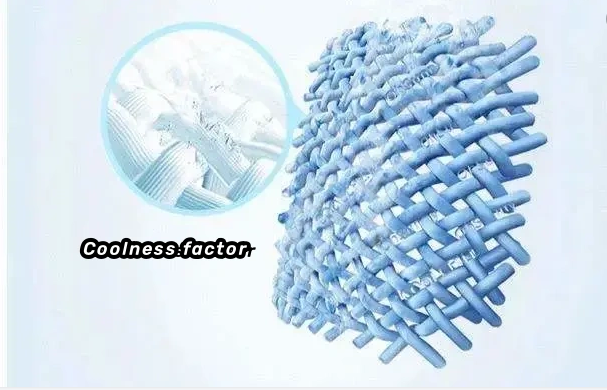
Cooling technology textiles have revolutionized the textile industry by providing a refreshing and cool sensation to the
wearer. Through the use of phase change materials and moisture-wicking technologies, these fabrics effectively regulate
body temperature and enhance comfort, particularly in hot and humid conditions. Rigorous testing methods ensure their
performance and reliability. As the demand for functional textiles continues to grow, cooling technology textiles are set to
become an essential component of our everyday lives, offering a welcome respite from the heat.